
RV Park vs. Campground vs. Glamping Resort: Which Business Model Is Right for You?
 By campground-admin March 22, 2025
 The outdoor hospitality industry has never had more options — or more complexity. Whether you’re a landowner evaluating development options, an investor sizing up opportunities, or an experienced operator looking to expand, one of the first strategic decisions you’ll face is: What type of property should I build?
RV parks, campgrounds, and glamping resorts look similar from the outside but operate very differently on the inside. Here’s what you need to know about each model before committing capital.
RV Parks: High Volume, Infrastructure-Intensive
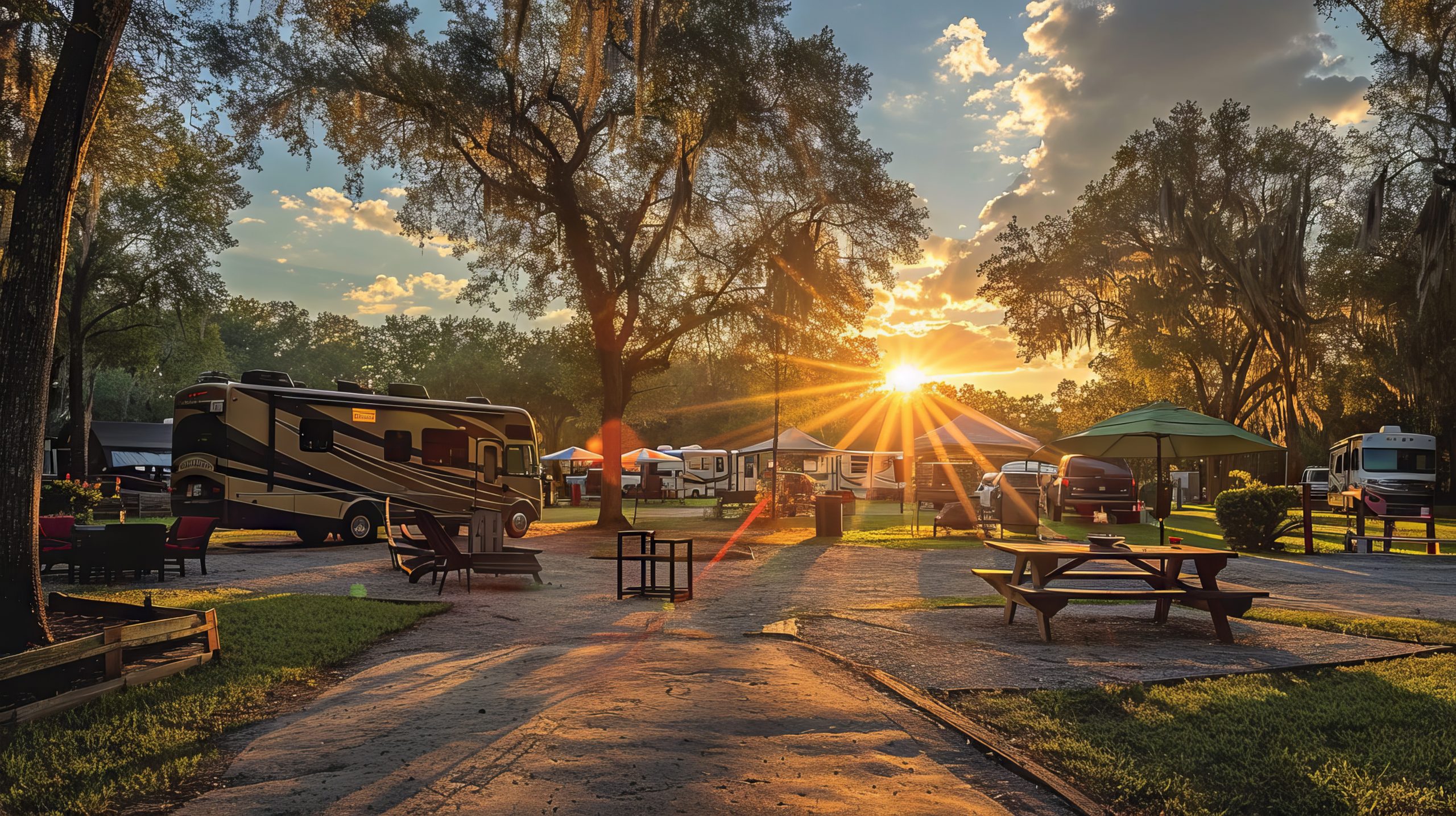
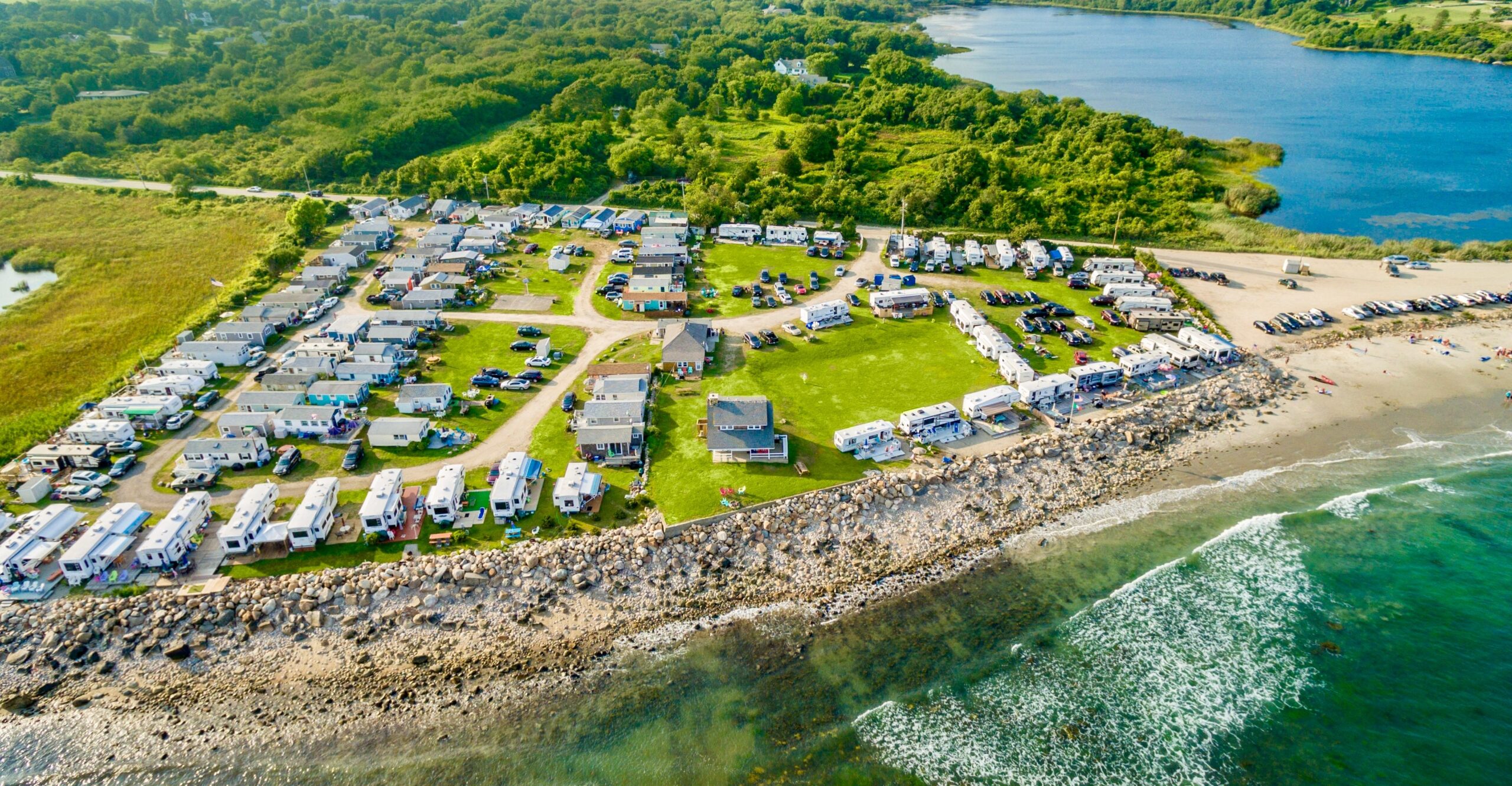
A traditional RV park serves guests who arrive in their own recreational vehicles — Class A motorhomes, fifth wheels, travel trailers, and van-lifers. Sites are typically paved or gravel with full hook-ups: 30/50 amp electric, water, and sewer. Many RV parks also offer basic amenities like a bathhouse, laundry, and a small camp store.
Typical revenue driver: Site rental fees, with nightly rates ranging from $40 to $100+ depending on location, amenity level, and site type. Monthly and annual rentals are common revenue streams, particularly in markets with a strong snowbird or full-time RVer population.
Development considerations: RV parks are infrastructure-heavy. Underground utilities, paved pads, and electrical infrastructure are significant cost drivers. However, once built, operating expenses per site are relatively low. A well-run RV park with 100+ sites can generate strong, consistent cash flow with a lean staff.
Best fit for: Investors seeking stable cash flow, properties along major travel corridors, and markets with strong year-round RV traffic.
Campgrounds: Broader Appeal, Seasonal Sensitivity
Traditional campgrounds serve a wider range of guests: tent campers, RVers, and cabin renters. Most campgrounds offer a mix of site types — primitive tent sites, partial hook-up sites, and full hook-up RV pads — along with shared amenities like restrooms, showers, fire rings, and recreational programming.
Typical revenue driver: Site rental plus ancillary revenue from cabin rentals, activity fees, firewood, camp store sales, and group events. Campgrounds generally attract families and younger outdoor enthusiasts, segments that skew heavily seasonal.
Development considerations: Campgrounds are more operationally complex than RV parks due to the diversity of site types and the need to serve a guest who expects programming, cleanliness, and a memorable experience. Staffing ratios are typically higher. However, the lower infrastructure cost per tent or primitive site improves land utilization economics.
Best fit for: Properties near natural amenities (lakes, trails, national parks), family-oriented markets, and operators with strong hospitality backgrounds.
Glamping Resorts: Premium Margins, High Expectations
Glamping — glamorous camping — is the fastest-growing segment in outdoor hospitality. Glamping resorts offer curated, upscale outdoor experiences through structures like safari tents, geodesic domes, treehouses, Airstream clusters, and luxury cabins. Guests pay a premium for the outdoor setting without sacrificing comfort or design.
Typical revenue driver: Per-night rates ranging from $150 to $500+ per unit, with shorter average stays than traditional campgrounds. Glamping resorts often layer in food and beverage, spa services, guided experiences, and event hosting to drive ancillary revenue.
Development considerations: Glamping structures have higher per-unit costs than RV pads, and the guest experience demands are significantly higher. Successful glamping resorts are hospitality businesses first and outdoor businesses second — they require brand-level thinking, design investment, and operational excellence. The risk of underperformance is real for operators who underestimate these requirements.
Best fit for: Scenic properties with natural or cultural differentiation, developers with hospitality experience, and markets where the drive-to demographic has discretionary income and appetite for curated experiences.
The Hybrid Model: More Common Than You Think
Many of the highest-performing properties in outdoor hospitality aren’t pure plays — they’re hybrids. A well-designed property might offer full hook-up RV sites, tent sites, and a small collection of glamping cabins or yurts, capturing multiple market segments and reducing seasonal revenue concentration. The right mix depends on your site, your market, and your operator profile.
Get Expert Guidance Before You Decide
Choosing the wrong business model for your site, market, or experience level is one of the most expensive mistakes an outdoor hospitality developer can make. The right choice depends on a careful analysis of your land, your local competitive set, your capital structure, and your long-term goals.
Campground Consulting Group works with landowners, investors, and developers at every stage of this decision. From initial concept evaluation through feasibility studies and design consulting, our team helps you build the right project for your site and your market.
Not sure which path is right for you? Let’s talk.
You Might Also Like

Must Read