
How to Conduct a Campground Feasibility Study: A Developer’s Step-by-Step Guide
 By campground-admin March 8, 2025
 Before you break ground on a new RV park, campground, or glamping resort, one question should come before all others: Is this project actually feasible? A campground feasibility study gives you the hard data to answer that question — and it can save you from a costly mistake or give you the confidence to move forward with clarity.
What Is a Campground Feasibility Study?
A feasibility study is a comprehensive analysis that evaluates whether your proposed campground development is viable from a market, financial, and operational standpoint. It looks at who your customers will be, whether demand exists in your target market, how much the project will cost to build and operate, and what kind of returns you can reasonably expect.
Think of it as due diligence before due diligence — the step that tells you whether it’s worth pursuing a full site acquisition or investment commitment.
Step 1: Define Your Project Concept
Start with a clear picture of what you want to build. Are you developing a traditional campground with RV sites and tent camping? A high-end glamping resort with safari tents or cabins? A mixed-use park with multiple site types? Your concept shapes every other element of the study — the market you’re targeting, the infrastructure you’ll need, and the revenue model that makes sense.
Step 2: Conduct a Market Analysis
The market analysis is the backbone of any campground feasibility study. You’re trying to answer: Is there enough demand in this area to support my project? This involves analyzing the competitive landscape (existing campgrounds, RV parks, and glamping properties within your draw radius), visitor traffic patterns, local tourism data, and demographic trends.
Pay close attention to occupancy rates at comparable properties, average daily rates, and seasonal demand patterns. High-performing markets typically show year-round demand drivers — proximity to national parks, lakes, or major highway corridors — rather than relying on a single peak season.
Step 3: Evaluate the Site
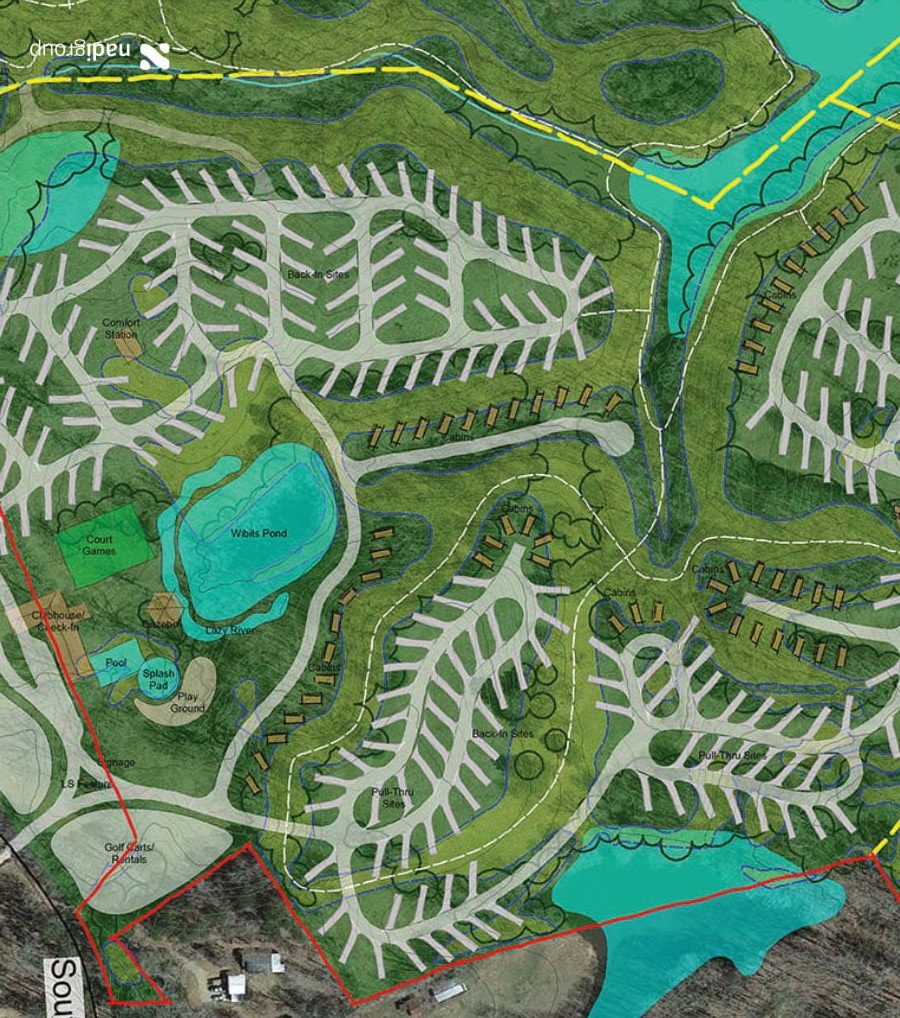
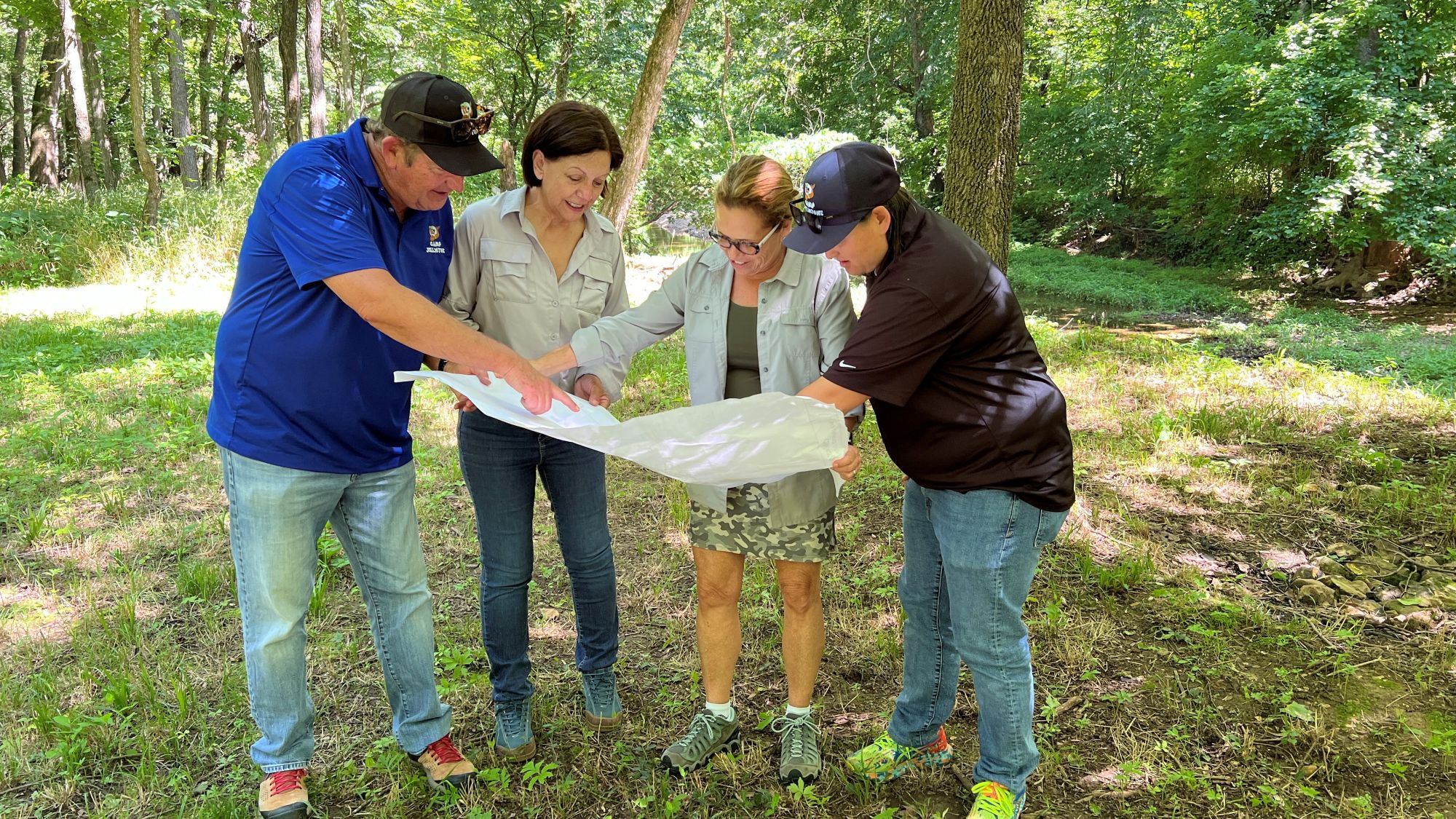
Not every parcel of land that looks good on paper translates into a viable campground site. Site evaluation examines topography, soil conditions, flood zone status, utility access, road frontage, and zoning regulations. A site that requires $2 million in infrastructure work before you can open a single site will dramatically affect your project economics.
Permitting and regulatory compliance should also be assessed at this stage. Zoning approvals, septic system capacity, and environmental impact requirements vary significantly by jurisdiction and can add months — or years — to your development timeline.
Step 4: Build a Financial Model
A credible financial model projects revenues, expenses, and capital requirements across a 5–10 year horizon. Key inputs include site count by type, projected occupancy rates, average daily rates, operating expenses, construction costs, and debt service assumptions. The model should produce clear outputs: projected NOI, cash-on-cash return, and estimated stabilized value.
Conservative assumptions matter here. Many developers make the mistake of projecting best-case occupancy in year one. Build your model around realistic ramp-up periods — typically 18 to 36 months to reach stabilized occupancy — and stress-test it against downside scenarios.
Step 5: Assess Operational Requirements
A campground isn’t a passive investment. You’ll need to plan for staffing, reservation systems, marketing, maintenance, and guest services from day one. The feasibility study should give you a realistic picture of what it takes to operate the property efficiently and what margins you can expect once the operation is running smoothly.
When to Hire a Campground Consulting Firm
While some developers conduct basic feasibility work in-house, a professional campground feasibility study produced by an experienced consulting firm adds credibility — with lenders, investors, and partners — and catches the blind spots that first-time developers typically miss.
At Campground Consulting Group, our Feasibility Studies & Market Research service gives developers, investors, and landowners a data-driven answer to the core question: should you build this project, and if so, how? Our team brings decades of hands-on industry experience to every engagement, and our reports are built to stand up to lender scrutiny.
Ready to find out if your campground idea is feasible? Contact CCG today to schedule a consultation.
You Might Also Like
Must Read